Live Roulette in New Zealand: Site Checks and Rules
 Available in US
A practical overview of operator checks, New Zealand rules, table access, video feeds and roulette betting conditions.

Table of Contents
- Assessing a Live Roulette Site Without a Shortlist
- New Zealand’s Online Casino Rules in 2026
- Playing Live Roulette Online: The Connection and Its Limits
- Double-Ball Roulette: What Can Be Confirmed
- How the Live Roulette Video Feed Works
- Roulette Strategy Starts With the House Edge
- Free Play and Live Roulette Offers
- Auto Live Roulette: A Feature the Available Facts Do Not Establish
- Betting Windows at a Live Roulette Table
- Live Roulette Tables and Physical Equipment
Assessing a Live Roulette Site Without a Shortlist
A live roulette site should be assessed as a regulated gambling service, not as a polished page or a familiar table layout. The first check is who operates it and which gambling body regulates that operator. An offshore site’s own statement that it is licensed is not the same as confirmation from the regulator.
Start with the operator’s legal identity. A brand name may differ from the company named in its terms, so those details need to match before the licence can be checked. The relevant question is whether the legal entity offering the service is regulated by a recognised gambling body. A logo, licence number or seal displayed on a page is a lead for verification, not proof on its own.
The next step is independent confirmation. Check the operator’s licence status with the Department of Internal Affairs (DIA), and consult the regulator identified by the operator where its records are available. The name of the licensed entity should correspond to the company responsible for the site. If the site names one company but the licence record names another, the connection should be clear rather than assumed.
Choosing a live roulette site in New Zealand means considering what is verifiably known about each operator. This overview highlights the available licensing or payout-speed information to help frame your choices.
License: Malta Gaming Authority, licence no. MGA/B2C/394/2017 N1 Casino is listed with a Malta Gaming Authority licence, number MGA/B2C/394/2017.
License: Curaçao Gaming Authority, licence no. OGL/2024/165/0185 BitStarz is listed with a Curaçao Gaming Authority licence, number OGL/2024/165/0185.
License: Tobique Gaming Commission, licence no. 0000064 Neospin is listed with a Tobique Gaming Commission licence, number 0000064.
Payout speed: 1-3 business days Lamabet’s stated payout speed is 1–3 business days.
License: Tobique Gaming Commission, licence no. 0000091 7Bit Casino is listed with a Tobique Gaming Commission licence, number 0000091.
License: Tobique Gaming Commission, licence no. 0000002 Ricky Casino is listed with a Tobique Gaming Commission licence, number 0000002.
License: 07017519840 · Payout speed: 1-3 business days Zotabet has the listed identifier 07017519840, and its stated payout speed is 1–3 business days.
License: Malta Gaming Authority, licence no. MGA/B2C/370/2017 Play Grand is listed with a Malta Gaming Authority licence, number MGA/B2C/370/2017.
Payout speed: 1-3 business days Wintino’s stated payout speed is 1–3 business days.
New Zealand does not have a Kiwi-specific gambling licence, so a claim that an offshore operator holds a “New Zealand licence” should not be treated as a substitute for checking its actual regulator. The relevant assessment is whether the offshore operator is regulated by a recognised gambling body and whether its status can be confirmed. Offshore access is not, by itself, a reason to treat a site as prohibited to Kiwi players; the regulatory check concerns the operator and the protections attached to its service.
A licence check should establish more than the presence of a number. The status must be current, and the regulator’s record should relate to the operator behind the live roulette service. If the information available does not establish that relationship, the gap remains material. A page can look complete while leaving the central question unanswered.
Searches for the best live roulette sites often bring together very different kinds of claims: table labels, promotional wording and statements about exclusivity. Those claims do not establish regulatory standing. Nor does a phrase such as “exclusive live roulette” explain who is legally responsible for the service. The operator’s identity and licence status are the foundation; presentation is secondary.
The same discipline applies to claims about special formats or “500x” live roulette. A label may describe a particular product or promotion, but it cannot prove that the operator is licensed. The wording should be assessed separately from the regulatory record. If an advertised feature is important to the decision, its terms need to be clear; a headline alone is not a rulebook.
The term “best” is also too broad to settle anything. For one person it may mean a particular roulette format; for another, it may refer to the operator’s terms or regulatory standing. A useful comparison therefore begins with verifiable conditions, not an overall ranking. There is no need to accept a site’s own superlatives as evidence.

Claims about live casino roulette tricks deserve similar caution. No supposed system changes the basic task of assessing the operator. A strategy claim is not a regulatory credential, and a persuasive demonstration does not show that the business behind the table is properly supervised. Keep the two questions separate: what the game claims to offer, and who is accountable for providing it.
A practical assessment can be recorded in a short checklist:
- Identify the legal company responsible for the site.
- Note the gambling body the operator says regulates it.
- Confirm the operator’s licence status with the DIA and, where possible, the regulator’s own records.
- Check that the record refers to the same legal entity, rather than relying on a brand name or licence badge.
- Treat unresolved differences between the site’s claims and the available regulatory information as unresolved, not as evidence of approval.
This approach works whether the search began with “live roulette online” or with a request for a particular table. It avoids turning “best live roulette” into a contest of design and advertising before the basic condition has been checked. A live roulette service is still an online gambling service; the word “live” does not make licensing less relevant.
A clean result is not a promise that every aspect of a site will suit a player. It answers a narrower question: whether the operator’s claimed regulatory status can be independently established. If that answer is unclear, attractive wording has no accounting value. The decision should remain open until the operator and its status can be matched.
New Zealand’s Online Casino Rules in 2026
The rules for live roulette in New Zealand changed during 2026. The Online Casino Gambling Act 2026 took effect on 1 May, establishing the country’s first domestic licensing regime for online casino gambling. Its scope includes live dealer tables, so roulette dealt by a live croupier falls within the same licensing category as online pokies and digital table games.
The Online Casino Gambling Act 2026, effective from 1 May, established New Zealand’s first domestic licensing regime for online casino gambling, including live dealer tables.
That change does not mean a Kiwi-specific licence already exists for every offshore casino, or that all access ended on the day the Act commenced. Before the new framework, New Zealand had no domestic online casino licensing system. Offshore platforms were not, for that reason alone, blocked from Kiwi players. The new Act creates a regulated route for operators; it does not turn the earlier market into one that had already been locally licensed.
The transition runs to 1 December
The period from 1 May to 1 December 2026 is a transition, not an immediate switch to a fully operational licensed market. Online casinos that were already serving people in New Zealand before the Act took effect may continue during this window, subject to the Act’s transitional provisions. That distinction matters for live roulette: an existing table may remain accessible during the transition even though the operator has not yet received a licence under the new system.
The position changes on 1 December. From that date, only operators approved under the new regulations may legally accept Kiwi players. The Act permits a maximum of 15 licences for the online casino sector. That is a cap, not a promise that 15 licences will necessarily be issued, nor a statement that every table available during the transition will remain available afterwards.

Operators that do not apply for a licence must stop serving New Zealand customers by the December deadline. Operators with applications still awaiting a decision may continue operating while the Department of Internal Affairs considers them, but they must not advertise during that period. If an application is declined, the operator must cease its online casino operations in New Zealand and leave the market. These conditions concern the operator’s permission to serve the market; they do not mean that live roulette itself has been prohibited.
What this means for live roulette
For someone looking for live casino roulette, the important distinction is between access during the transition and lawful access after it. Kiwi players are not prohibited from visiting offshore gambling sites, and live dealer games at international operators remain accessible under the existing transition arrangements. But access to a table does not establish that its operator will be permitted to accept New Zealand customers after 1 December.
The same point applies whether a table is described as live roulette online or as roulette with a live dealer. The game format does not create a separate licensing route. Live dealer tables are included in the online casino category, so the operator’s status under the new regime determines whether it can continue accepting Kiwi players after the deadline.
Licensing Deadline
From 1 December 2026, only operators approved under the new regulations may legally accept players from New Zealand.
The legislation also does not create a separate New Zealand licence specifically for roulette, or for live tables. Its limit applies across the online casino sector. As a result, the relevant market change is not a different roulette rule for each game type, but a new approval requirement for providers wishing to serve New Zealand customers.
The full licensed regime is expected to become operational in 2027. Until then, the transition provisions set the practical boundary: existing providers may continue under the stated conditions, pending applicants face restrictions on advertising, and operators without an application must stop by 1 December. After that date, a live roulette casino may accept Kiwi players only if it is among the operators approved under the new system.
Playing Live Roulette Online: The Connection and Its Limits
A live roulette session depends on an internet connection as well as the game service. That makes the experience different from simply opening a page: a pause or disconnection can interrupt a round already in progress. A specialist review has reported that live dealer games can encounter technical problems. That is a report of possible disruption, not a measure of how often it happens or a guarantee that every interruption has the same cause.
The practical concern is what happens to the session when the connection falters. The table may stop updating on the screen, or the player may lose access while a round is under way. Those outcomes should not be treated as interchangeable: a display problem does not, by itself, establish whether a bet was accepted or how the operator will record the round. The account history and the operator’s stated rules are more relevant than an assumption based on what appeared on screen.

For casino live roulette online, the connection is part of the playing conditions, not a minor convenience. A session that repeatedly loses contact with the service can make it difficult to follow the table or confirm what has happened. That uncertainty has a cost even when no money is lost: time is spent checking the account, and the player may be unable to make a decision until the status is clear.
A sensible approach is to begin a session only when the connection is dependable and to avoid changing networks while a round is in progress. If an interruption occurs, reconnecting repeatedly without checking the account can add confusion. The relevant questions are whether the table has resumed, whether the round has been settled, and whether the account history reflects the play. Where the status is unclear, the operator’s support channel is the route for clarification; a screen that froze is not a settlement record.
The same distinction matters when comparing live casino roulette online with a digital game. A live table depends on a service delivering an ongoing session, so interruptions can affect access to the round itself. The presence of a live dealer does not remove that dependence. Nor does a smooth start establish that the rest of a session will be uninterrupted.
- Start sessions only when the connection is dependable
- Check account history to confirm round outcomes
- Use operator support for clarification on frozen screens
- Change networks while a round is in progress
- Reconnect repeatedly without checking the account
- Guess the bet status based on a frozen screen
Before choosing to play live roulette online, it is useful to consider whether the session can be stopped without pressure if the connection becomes unreliable. A connection issue should not be treated as a reason to increase a stake or continue before the previous round is understood. The financial position is straightforward: until the account shows the outcome, the amount at risk and the status of the bet should not be guessed.
A live roulette game online can therefore be assessed in two separate parts: the game experience and the continuity of access. The first concerns the table; the second concerns whether the session remains available and whether its record can be checked after a disruption. Keeping those questions separate avoids turning a technical interruption into an unsupported assumption about a result.
Double-Ball Roulette: What Can Be Confirmed
The name “double-ball roulette” suggests a roulette format involving two balls, but the label alone does not establish how a particular game works. It does not confirm whether both balls are released at once, whether they land in separate pockets, how a winning result is calculated, or what the available bets cover. Those details belong to the table’s rules, not to an inference from its title.
That distinction matters when comparing a named format with standard live dealer roulette. Live dealer games are broadcast from a studio or a casino in a particular country, so play takes place in real time with an actual dealer. This describes the setting and format of the broadcast; it does not settle the mechanics of a double-ball table. A live feed is not evidence that a particular game uses two balls or follows any specific payout structure.

For a table advertised as double-ball roulette, the useful information is the game’s own rules and betting display. They need to make clear what constitutes a result and how each listed bet is settled. If those details are not available before play, the name cannot fill the gap. A plausible interpretation is still an interpretation, not a confirmed rule.
The same caution applies to claims about outcomes or payouts. The term “double-ball” does not by itself show whether a bet must match one result, both results, or some combination. Nor does it establish that a payout is doubled. A promotional description may use a concise label, while the settlement terms determine what the label means in practice. The latter are the material terms.
A sensible comparison therefore separates three things: the game’s title, the live dealer presentation, and the rules that govern bets. The title identifies what the operator calls the format. The live presentation indicates that a dealer-hosted game is being broadcast for real-time play. Only the table rules explain how a stake is resolved. Treating these as interchangeable can lead to a false assumption about the game.
Payment wording requires the same separation. A search for roulette that can be paid for through a phone bill does not establish that a live table accepts that payment method. Payment options depend on the operator’s cashier and applicable terms; they cannot be inferred from the game name or from the fact that a dealer is present. Any claim about phone-bill payment needs to be confirmed in the actual payment information, including whether it applies to deposits, withdrawals, or both.
Attention The term “double-ball” is a label and does not guarantee specific payout structures or the availability of phone-bill payments; these must be verified in the table rules and cashier.
For Kiwi players considering a live double-ball table, the practical standard is simple: rely on the displayed rules and payment terms, not on the phrase “double-ball” as a substitute for either. If the game page does not explain how its results work, there is no sound basis for assigning it familiar roulette mechanics or assumed payouts. If a payment method is not shown as available in the operator’s own cashier, its availability should not be treated as established.
This leaves a narrow but useful distinction. Live roulette describes play with a real dealer through a live broadcast; “double-ball” makes a further claim about the game format. The first does not prove the second’s rules. Until those rules are stated clearly for the specific table, the label alone supports no more than the possibility that the format differs from ordinary roulette.
How the Live Roulette Video Feed Works
In live roulette, the video feed connects the online table to a professional dealer in real time. The game is not presented solely through computer-generated animation: a dealer appears on screen, and the feed enables interaction between the people playing remotely and the person running the table. That is the defining feature of live dealer play.
For Kiwi players, the screen therefore carries more than a visual representation of a roulette game. It provides a view of a dealer conducting the session while the player participates online. The distinction is between watching a recorded presentation and being part of a live session: the feed is intended to support the latter. It does not, by itself, establish what interaction tools a particular table offers.
“Video roulette” can describe the visual format, but the video is only one part of the arrangement. A live dealer is present, and the online participant can interact with that professional. The video makes the dealer visible; the interaction makes the experience more than a broadcast being watched from a distance. Any additional claims about how a player communicates, or what the dealer can respond to, depend on details not established by the general description of live dealer games.
This also sets a useful limit on what the screen can tell a viewer. A live image is evidence that the session is being presented as a dealer-led game, but the image alone does not specify the table’s rules, the available options or the software behind the service. Those are separate features. Treating a camera view as proof of every other aspect of a game would put too much weight on the picture.
The same distinction applies to live roulette in New Zealand. The country does not change what the video element means: a dealer-led session is shown through a live feed, allowing interaction with the professional dealer. The feed describes how the game is presented to a remote participant, not whether a particular operator is authorised to provide it or what other conditions apply. A broadcast can explain the format; it cannot settle the operator’s regulatory status.
A live feed is therefore best understood as the interface between a remote player and a professional dealer. It brings the dealer into view and supports interaction during the session. It does not turn the participant into someone physically present at the table, nor does the word “live” answer every question about the service. The practical distinction is narrower and clearer: the game is conducted with a professional dealer and delivered to online players by video, rather than being shown only as a digital simulation.

Roulette Strategy Starts With the House Edge
A live roulette strategy can organise decisions, but it cannot remove the game’s built-in mathematical advantage for the house. The relevant starting point is the table’s house edge: for live European roulette, it is usually around 2.7%; for live American roulette, around 5.26%. The difference is substantial enough to matter before any betting approach is considered.
Those figures describe the expected disadvantage built into each version, not a prediction of what will happen in a particular session. A player can finish ahead in a short run, or lose more than the average implied by the edge. Neither outcome changes the underlying comparison. A favourable result is not evidence that a system has overturned the table’s economics; an unfavourable one does not establish that a strategy was applied incorrectly.
That distinction is useful when assessing claims about live online roulette strategy. A plan may set rules for how to choose bets or when to stop, but those rules do not turn the edge into a player advantage. The house edge remains the more reliable measure of the game’s long-run cost. In practical terms, the lower-edge version has the less costly structure, all else being equal. It is not a guarantee of a better result in an individual session.
The comparison also sets a limit on what strategy can reasonably promise. A betting pattern may change the shape of a session, but it should not be treated as a method for erasing the house advantage. Systems that present a sequence of wagers as a route to certain profit confuse a procedure with an outcome. A procedure can be followed precisely while the result remains uncertain.
The same test applies to instant live roulette. A quick route into a table changes access, not the mathematical edge attached to the roulette version being played. Speed and strategy are separate matters: neither should be mistaken for a change in the game’s underlying economics.
For a clear comparison, the table’s European or American format matters more than the label attached to a betting system. The stated edge for American roulette is higher than the figure for European roulette, so strategy cannot make those two starting points equivalent. Any assessment of a system that ignores the format leaves out the most relevant number.
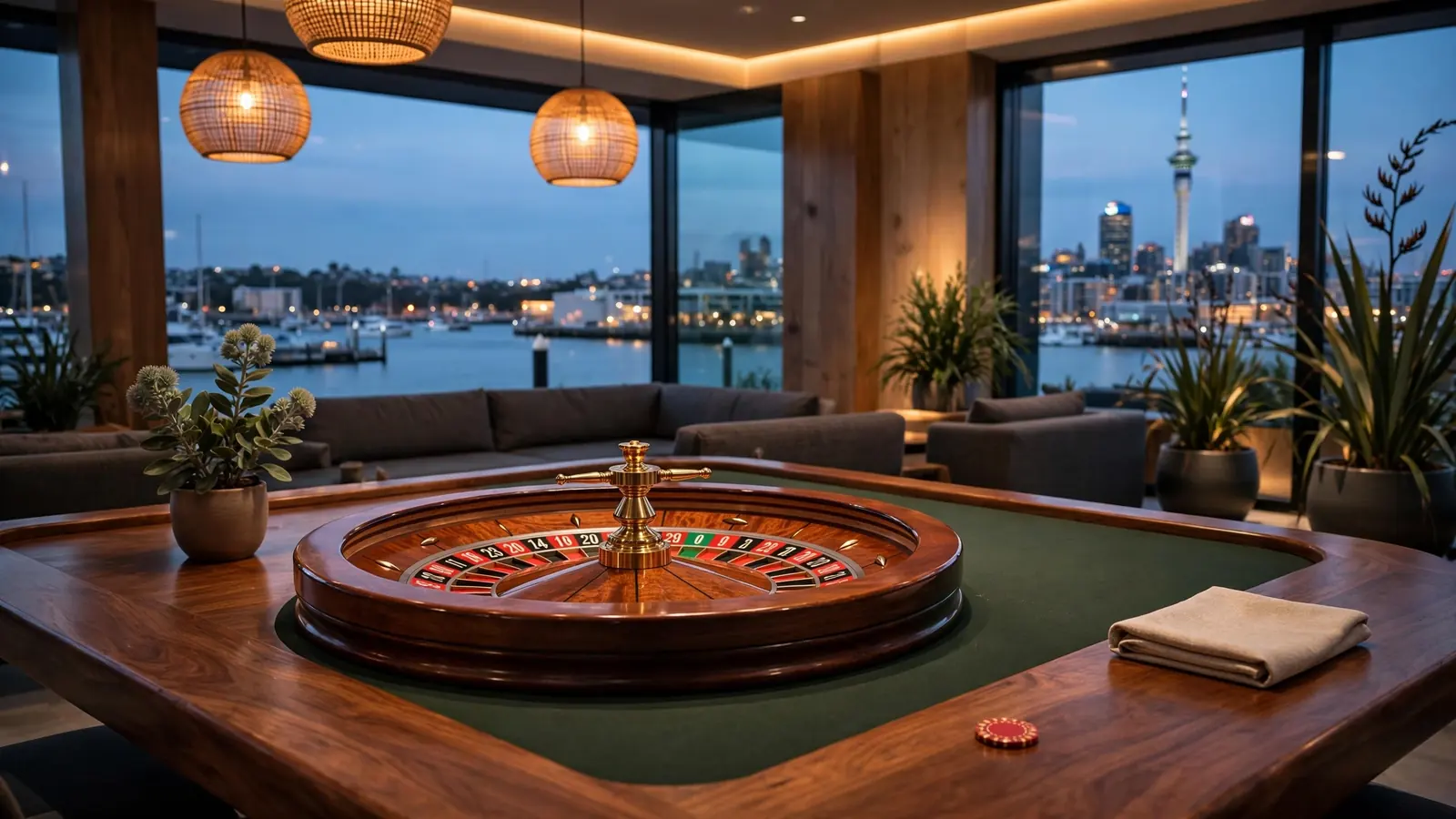
A sound strategy therefore begins with a modest claim: it can structure play, but it cannot promise to beat the house edge. The figures provide a boundary, not a forecast.
Free Play and Live Roulette Offers
A free-play version of live roulette is not a standard feature to assume. Live dealer games are typically excluded from free play because operating a staffed table and its studio carries costs for the casino. That cost remains whether a player wagers cash or uses a promotional balance; free access is therefore less straightforward than opening a digital game in a practice mode.
The distinction matters when an offer uses broad language such as “free play” or “free bet”. Those phrases do not, on their own, establish that a live roulette table is included. The offer’s terms determine which games qualify and whether the benefit is restricted to particular game types. If the conditions do not name live roulette, its availability should not be inferred from the headline.
Live dealer games often exclude free play because operating a staffed studio incurs costs regardless of whether the player uses cash or a promotional balance.
The same applies to a promotion described as free spins. Spins are not roulette bets, and a free-spin offer does not establish access to a live roulette session. A promotion may be limited to specific games, while a live dealer table may remain unavailable for free play. The format and the eligible game need to be stated separately; promotional wording is not a substitute for either.
A free bet also has a defined value only after its conditions are understood. The relevant points are whether live roulette is eligible, whether the offer is a cash wager or a promotional credit, and what restrictions apply to using or withdrawing any resulting balance. Without those details, “free” describes the advertising label, not the amount a player can retain.
For Kiwi players comparing an offer with the cost of playing, the practical calculation is simple: count only benefits that explicitly apply to live roulette, then account for any conditions attached to them. If the terms mention free spins but not roulette, the value attributable to roulette is zero. If they refer to a free bet without specifying eligible games, its live-table value remains unconfirmed.
This does not mean every live roulette promotion is impossible. It means free access should not be treated as the default, given the operating cost of live tables. A clear offer needs to identify the eligible game and the conditions that govern the benefit. Until those are visible, a claim of free live roulette is not a usable figure for comparing offers.
Auto Live Roulette: A Feature the Available Facts Do Not Establish
The word “auto” does not, by itself, identify a defined roulette feature. In a live table’s name or menu label, it may appear to describe a mode or setting, but the label alone does not establish what changes during play. It is not enough to conclude that bets are placed automatically, that spins proceed without player input, or that a particular table has an automated option.
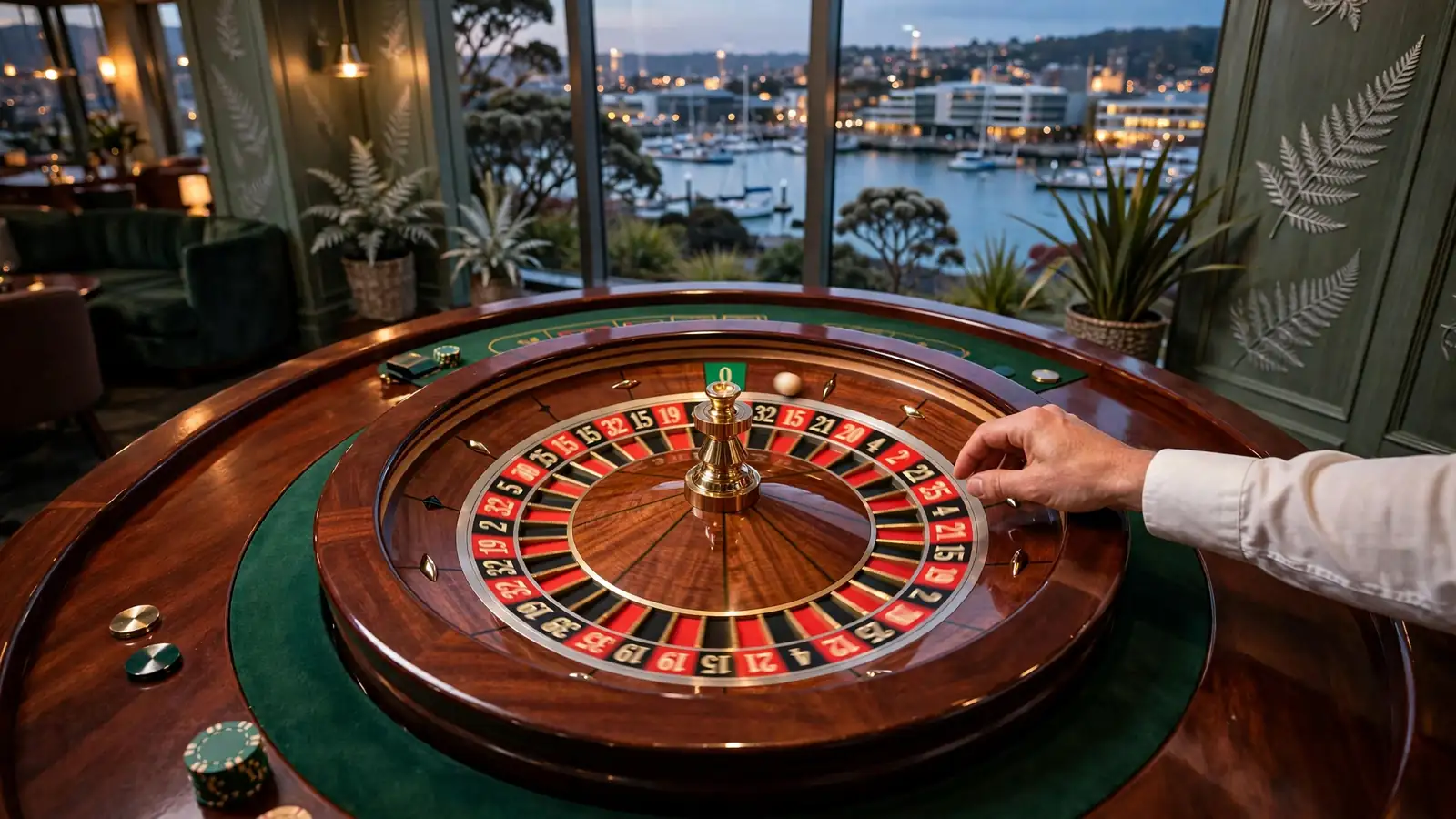
That distinction matters because “live” and “auto” can refer to different things. Live describes the dealer format; auto would need a separate explanation of the function it denotes. Without table-specific terms, treating the two words as a complete description risks assigning features that may not be offered.
A useful description of an automatic option would need to state what action it performs, when it operates and how it can be changed or stopped. It would also need to clarify whether the setting applies to bet placement, another part of the interface, or something else. Those are separate questions, not details that can be settled by the phrase “auto live roulette.”
The same caution applies to “live roulette auto” as a table description. A page title, filter or promotional label is not a substitute for the rules attached to the table. The relevant evidence is the operator’s own explanation of that specific option and the conditions displayed before play. If those terms do not define an automatic function, the feature should not be assumed.
This is a narrow point, but it has practical consequences: a player deciding whether to use a table needs to know what controls remain manual and what, if anything, happens without a fresh action. The name alone cannot answer that. Until the table’s terms explain the function, “auto” is best treated as an unconfirmed label rather than a promise of hands-free play.
Betting Windows at a Live Roulette Table
A live roulette round gives players a limited period to place bets. That window keeps the game moving, but it also changes how decisions need to be handled: choices made after betting closes cannot be added to that round.

The practical approach is to settle the intended wager before the betting period is nearly over. A player deciding between several options while the window runs may spend the available time navigating the table rather than placing the chosen bet. Keeping the decision simple is useful for timing, not a method of improving the odds.
For someone learning how to play live roulette, the pace is worth treating as part of the format. The table does not wait indefinitely while a player compares positions or changes their mind. Live games generally move faster because betting time is restricted. That is a feature of the session’s rhythm, not evidence that a particular wager is more favourable.
A deliberate routine can reduce avoidable mistakes: decide what to stake, identify the intended betting position, then place the wager while the window is open. The amount should be chosen before play rather than adjusted in haste. Once the window closes, the round proceeds without further bets for that turn.
This matters most when a player is still getting familiar with the layout. Searching for a position and making a decision at the same moment uses the same limited window. A slower, deliberate choice before betting opens is more practical than trying to recover a missed opportunity after it has closed.
The time limit also sets a boundary on how long each round can remain open for betting. It does not create extra time because a player has not finished deciding. Anyone who prefers to consider each wager at length may find the faster cadence inconvenient; anyone comfortable making a settled choice before the window ends can treat it as a straightforward part of live roulette.
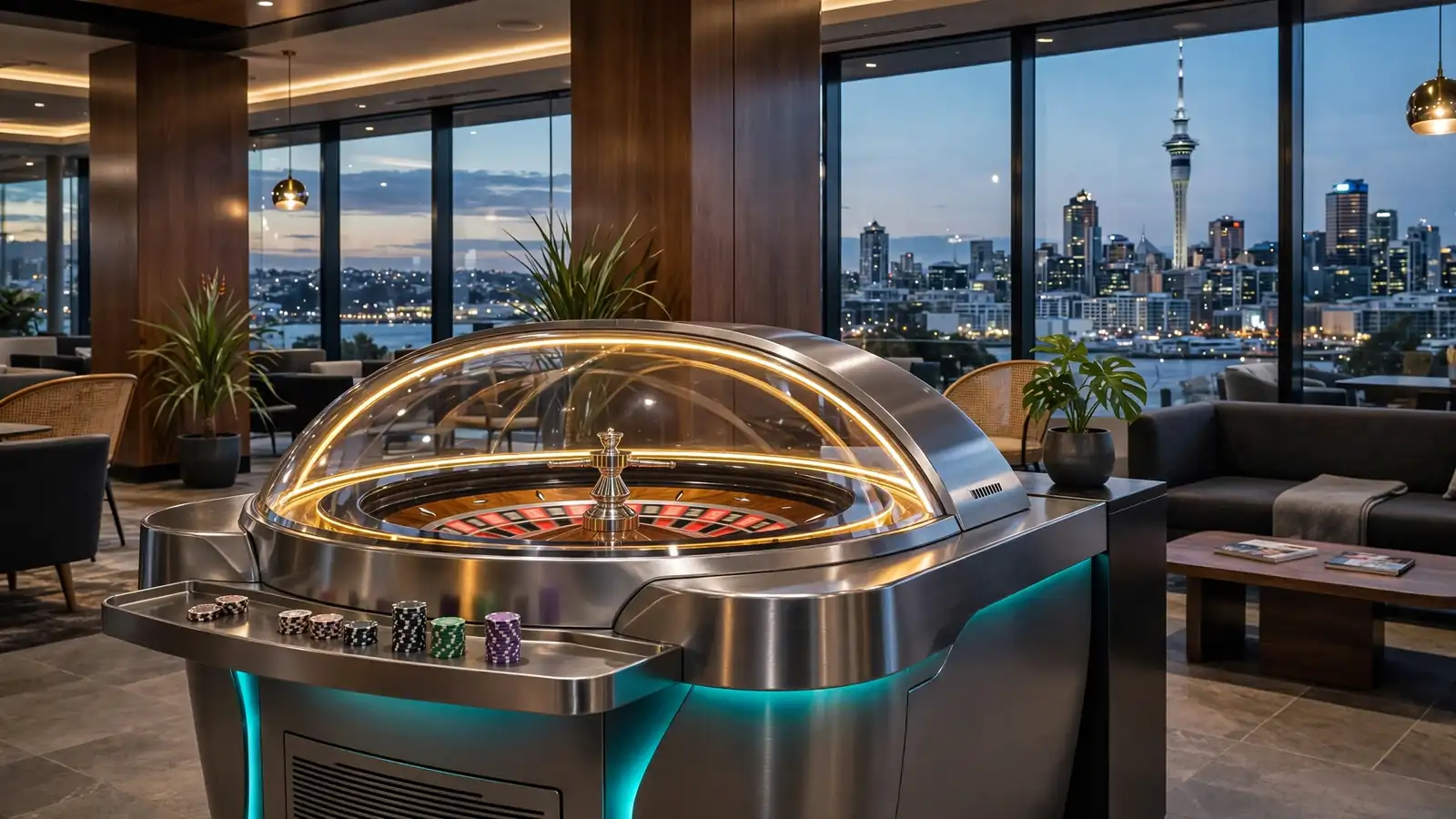
Live Roulette Tables and Physical Equipment
A live roulette table is distinguished by the equipment behind the game: the wheel is real, rather than a graphic generated solely by software. The live dealer format uses professional studios and physical game equipment. That gives the table a physical basis, even though the player joins remotely.
The distinction is about what produces the game, not what appears on a screen. A digital roulette game can depict a wheel without using one; in a live table, the wheel is part of the real-world setup. The screen is the point of access, while the table and wheel belong to the studio environment. Those are separate parts of the arrangement and should not be confused.
Live dealer games can also use real cards, but cards are not roulette equipment. Their presence in other live table games does not describe how a roulette round is conducted. For roulette, the relevant physical item is the wheel. A description that treats cards as part of the roulette setup would mix distinct games.
This distinction matters when comparing formats. A live roulette game is not simply a digital table with a dealer’s image added to it: the live format uses a real wheel and professional studio. A purely digital version does not acquire that physical setup merely because its interface resembles a table. The visual presentation may look similar, but the underlying arrangement differs.
The equipment alone does not establish every detail of a particular table. It does not, by itself, specify the wheel’s design, the studio’s location, or the table’s rules. Those are separate terms and should be checked independently rather than inferred from the word “live.” The useful baseline is narrower: live roulette is built around a real wheel in a professional studio, while the player’s access to it is remote.
Written by the editors at Casino Slots Adviser NZ.